
What Do We Mean By Resurrection?
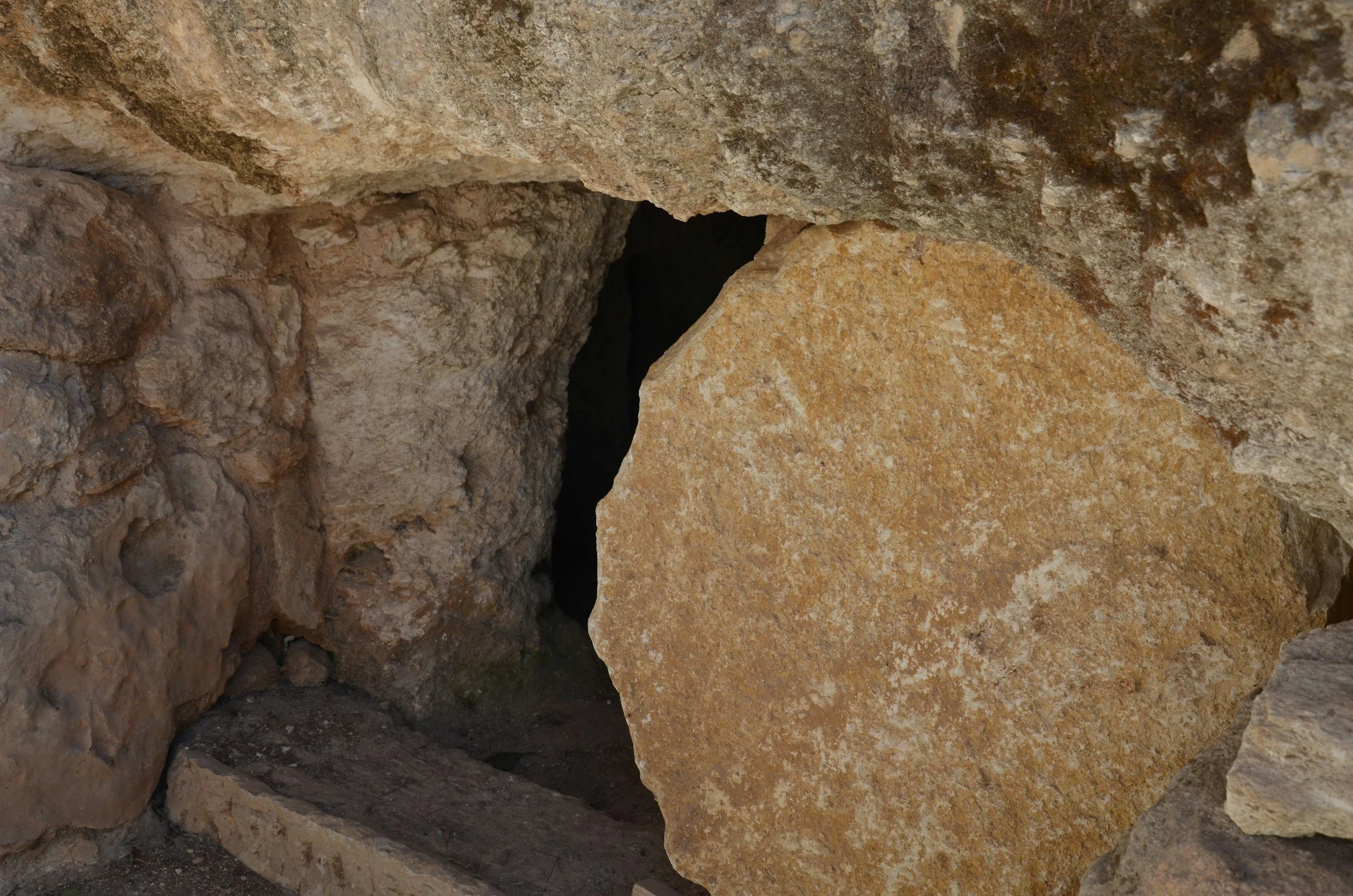
Easter Sunday arrives with a lot of celebration: the Alleluias return, the church is full, and we proclaim with joy that Christ is risen. But once the day passes, a more important question remains:
What do we actually mean by resurrection?
In the Episcopal Church, we are comfortable living with mystery. Resurrection is not something we reduce to a simple explanation or a single definition. At the same time, it is not just a vague symbol or idea. Resurrection is at the very heart of our faith. It is something real, something that happened, and something that continues to shape how we live.
When the first witnesses encounter the risen Christ, their experiences are not neat or predictable. A woman comes to the tomb expecting to tend to the dead and instead finds it empty. Disciples gather behind locked doors, uncertain and afraid, and suddenly find themselves greeted with peace. Others walk alongside a stranger for miles before realizing, only in hindsight, who has been with them all along.
These moments tell us something important. Resurrection is not simply a return to life as it was before. The risen Christ is recognizable, but changed. He bears the marks of suffering, but is no longer bound by death. Resurrection is not a reversal, it is transformation.
And that matters, because it tells us something about God.
In the resurrection, we see that God does not simply undo suffering or erase death as if it never happened. Instead, God enters into the fullness of human life, even into suffering and death, and brings forth new life from within it. The wounds remain, but they are no longer signs of defeat. They become signs of something else, something redeemed, something made new.
This is why resurrection is not only about Jesus. It reveals something about the nature of God’s work in the world.
Again and again, in ways both seen and unseen, God brings life out of places where we expect only endings. Hope where we expect despair. Possibility where we expect closure. Resurrection is not a one time event confined to the past. It is the ongoing work of God, quietly, persistently, bringing new life into the world.
And so Easter is not just a single day of celebration. In the life of the Church, it unfolds over fifty days. We are given time, time to sit with the mystery, to hear these stories again, and to begin to understand what they mean not just for what we believe but for how we live.
Resurrection is not something we only proclaim. It is something we are invited into.
To say “Christ is risen” is also to say that death does not have the final word, not in the world, and not in us. The fears that keep us closed off, the doubts that linger, the brokenness we carry, none of these are beyond the reach of God’s transforming life.
But like those first followers, we may not recognize it right away.
Resurrection often meets us in ordinary moments, in shared meals, in unexpected encounters, or in quiet acts of care and compassion. It may take time to see it. It may take time to trust it. That, too, is part of the journey.
So as we enter these fifty days of Easter, we are invited not only to celebrate resurrection, but to grow into it.
To pay attention.
To notice where life is emerging.
To remain open to the possibility that God is still at work, bringing new life in ways we might not expect.
This is the beginning of our Easter journey together. In the weeks ahead, we will continue to explore what it means to become resurrection people.
But for now, we begin here:
Christ is risen.
And that changes everything.
Kevin+
