
Learning to See
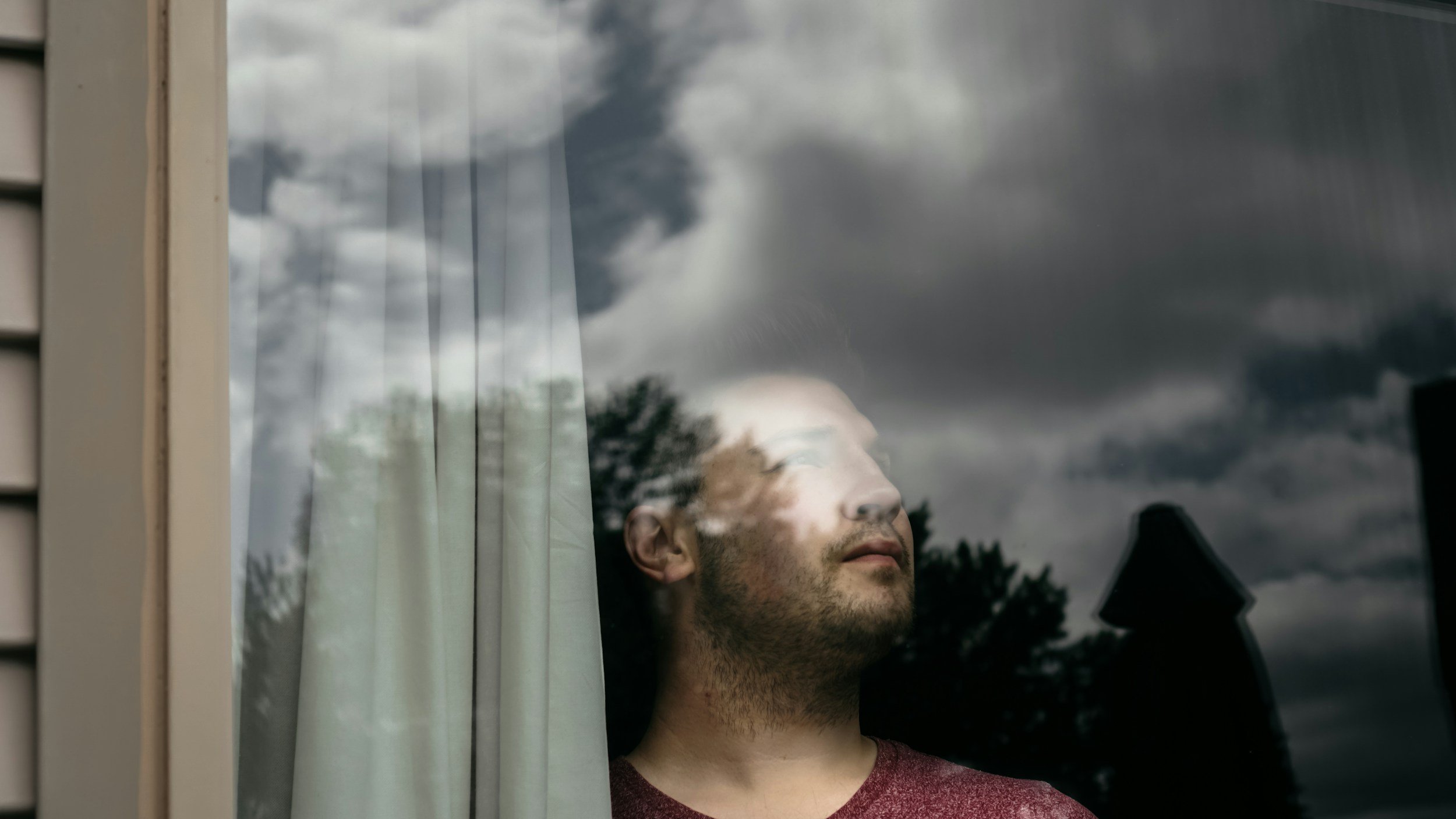
There is a difference between looking and seeing.
Looking is easy. We do it all the time. We glance at headlines, scroll past images, and form quick impressions about people and situations. But seeing, truly seeing, is much harder. It requires attention. It requires humility. Sometimes it even requires transformation.
The Gospel reading for this Sunday tells the story of a man born blind who encounters Jesus. At first, the story appears to be about physical sight. But as the story unfolds, it becomes clear that this issue is not blindness, it is vision.
At the beginning of the story, the disciples ask a familiar question. They want to know who is to blame for the man’s condition. Someone must have sinned, they assume. Someone must be responsible.
Jesus refuses that framework. Instead of assigning blame, he turns the moment towards healing. In doing so, he begins to reveal something important: sometimes the greatest blindness in the world is not physical at all. Sometimes it is spiritual.
The man who was born blind gradually begins to see more and more clearly. At first he simply knows that someone named Jesus healed him. Later he begins to speak with courage about what has happened to him. Eventually he recognizes something even more important about who Jesus truly is.
Meanwhile, the religious authorities, people who believe they already see clearly, struggle to recognize what God is doing right in front of them. Their certainty becomes its own kind of blindness.
This is where the story becomes uncomfortable for people of faith.
Because it reminds us that spiritual blindness is not something that only happens “out there.” It can happen within religious communities too. When we become too certain of our own understanding, too confident in our assumptions, we can miss the very work of God unfolding before us.
In his letter to the church in Ephesus, Paul speaks about this transformation in another way. He tells the community that once they lived in darkness, but now they are called to live in the light. This movement from darkness to light is not simply about knowledge or belief. It is about a way of living; one that reflects truth, goodness, and justice in the world.
In other words, learning to see changes how we live.
Lent is a season that invites us into this kind of spiritual vision. It is not only a time for self examination or repentance. It is also a time when we ask God to open our eyes.
Where have we been seeing only the surface of things?
Where have we been too quick to judge or assign blame?
Where might God be inviting us to notice something new?
Even the familiar words of Psalm 23 remind us that trust and vision are connected. The psalm speaks of walking through dark valleys without fear, because God is present as our shepherd. Trust allows us to keep walking, even when the path ahead is unclear.
And perhaps that is part of what it means to learn to see.
Not that we suddenly have perfect clarity about everything. But that we begin to recognize the presence of God guiding us, even in uncertain places.
The man in John’s Gospel never becomes a theologian. He does not offer a complicated explanation of what has happened. When pressed by those who doubt him, he simply says something honest and true: once he was blind, and now he sees.
That is often where faith begins.
Not with perfect answers, but with a changed perspective. A new awareness of God’s presence. A willingness to trust that Christ is still at work in the world: opening eyes, restoring dignity, and revealing truth.
During this season of Lent, perhaps one of the most faithful prayers we can offer is a simple one:
“God, help me to see.”
To see God at work in unexpected places.
To see the dignity of others more clearly.
To see the truth that Christ is revealing in our lives and in our world.
Because when Jesus opens our eyes, we begin to discover something remarkable.
The light was there all along.
We are simply learning to see it.
Kevin+
